Skip Ribbon Commands
Skip to main content
Are You Covered?
  • Auto and Home Insurance for Unmarried Couples
    Sixty years ago, when the 1950 census data was released, it showed that eight in 10 households were occupied by married couples. Fifty years later, the 2000 census data showed that number had declined to just over 50%, signifying a sea change in the typical American household. Almost half of households were occupied by a single individual, roommates or unmarried couples (the 2010 census data is still in the process of being made public).
  • What to do Before, During and After Thunderstorms
    Before, During and After a Thunderstorm.
  • What You Need to Know About Shady Home Contractors, Remodeling & Hiring Day Laborers
    Ah, summertime, and the living is easy. Perfect for sitting in the shade out back with a cold drink. You may even decide this is the perfect time to finally add that deck, enlarge the patio for cookouts, or put in that new landscaping with a couple of strategically placed trees perfect for a comfortable hammock.
  • What Everyone Should Know About Insuring Property in Storage
    The other day while flipping through the channels I stumbled upon a reality show about people who bid on items in abandoned storage units- sometimes finding items valued in the tens of thousands of dollars. I thought of my family and friends who had storage units and the kinds of items they kept in there- and it ran the gamut from golf clubs to furniture to ski equipment.  According to the Self Storage Association, 10.8 million people in the US rent a self-storage unit. If you’re one of those 10.8 million people you should ask yourself, do I have insurance coverage for my property in storage?
  • Insuring Your Happily Ever After
    Getting married and embarking on a new life together is one of the most exciting experiences in two people’s lives. It’s a time of hope, promise, romance and … reality. Whether a couple is planning their wedding or deciding where to live, there are a lot of decisions to make before saying “I do,” especially when it comes to insurance.
  • Changing Your Address Means Changing Your Insurance
    May is National Moving Month and every year more than 40 million Americans will move, according to the American Moving and Storage Association. As you pack up your belongings and move across town or across the country, make sure you don’t forget to “pack” your insurance coverage.
  • Spring Forward: Spring Cleaning and Safety Updates
    Temperatures are getting warmer and now that it’s spring, it’s time for spring cleaning and making spring time repairs around the house. Taking care of our homes is important, so take a moment to understand how taking care of things around the house can impact your insurance.
  • A Little Less than Supercalifragilisticexpialidocious: Insurance and Tax Issues with Nannies and Housekeepers
    With more and more families every year having both parents work full time, there has been an increasing need for help around the house with childcare and chores like cleaning, laundry and running errands. If you’re hiring household help it’s important to understand how having domestic workers (including nannies, housekeepers, caretakers, etc.) around your home can impact not only your insurance coverage- both your auto and your homeowners- but also how it could have tax implications for you. If you don’t understand these issues, the result could be something quite atrocious.
  • Congratulations Class of 2013: Now It’s Time to Graduate to Your Own Insurance!
    While every individual has unique needs, here are a few  insurance coverage options that all college grads should consider.
  • Summer Storm Recovery Tips
    Independent insurance agents not only advise clients about insurance, but they’re disaster readiness consultants. It is imperative to know what your risks are and what to do in the
    event of a hurricane. We recommend meeting with a Trusted Choice® independent insurance agent who can consult with you in assessing your risks and ensuring that you, your family and your home are prepared in the event of a disaster. Trusted Choice® offers many disaster-specific readiness and recovery tips for consumers.
  • Be Prepared for a Disaster
    Independent insurance agents not only advise clients about insurance, but they’re disaster readiness consultants. It is imperative to know what your risks are and what to do in the
    event of any natural disaster. We recommend meeting with a Trusted Choice® independent insurance agent who can consult with you in assessing your risks and ensuring that you, your family and your home are prepared in the event of a disaster. Trusted Choice® offers many disaster-specific readiness and recovery tips for consumers.
  • New Development, New Flood Risk
    One factor to consider when evaluating your risk of flooding is development and new construction in your area.
  • Landscape Ready: Utility Marking, Underground Septic & Sewer Back-Up
    Homeowners: Before you hit a gusher—and we aren't talking oil—get the 811 from Trusted Choice.
  • Avoid a Bracket Busting Claim: Insuring Special Events
    It’s time for March Madness! Are you planning a blowout that will make render an entirely new meaning to “bracket busting?” Has your neighborhood community center asked for a either a hold-harmless agreement or a damage deposit exceeding your current mortgage payment?

    Welcome to the world of personal event risk management!
  • Earth Day and Going “Green” with Your Homeowners Insurance
    "I recognize the right and duty of this generation to develop and use the natural resources of our land; but I do not recognize the right to waste them, or to rob, by wasteful use, the generations that come after us." – Theodore Roosevelt
    With Earth Day on April 22nd, Roosevelt’s call for responsible use of resources remains as relevant today as when he wrote it over a century ago, and many Americans are taking up the call as part of the “green” movement, particularly in the areas of construction and building. Whether you’re building a new home or are interested in retrofitting your home to be a “green” home, it’s important to recognize how taking these steps to make your home more environmentally friendly may require some special “green” insurance to protect them.
What Everyone Should Know About Insuring Property in Storage

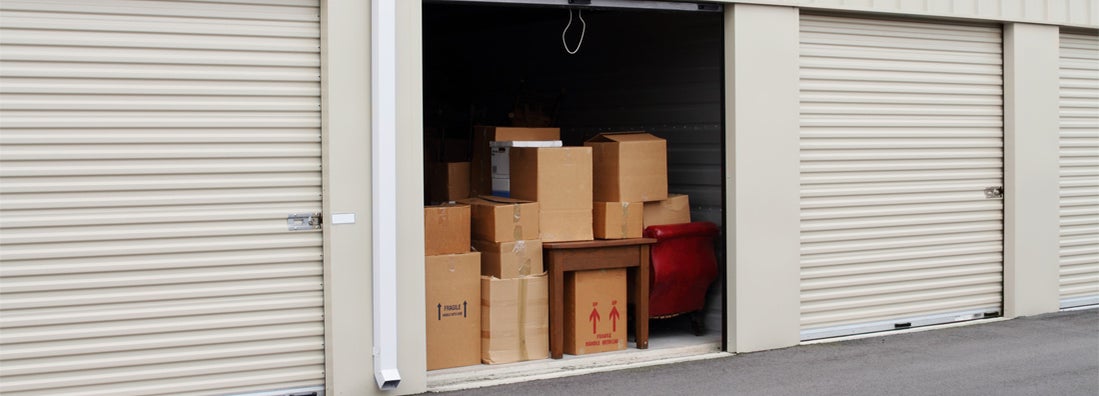
storage unit.jpgThe other day while flipping through the channels I stumbled upon a reality show about people who bid on items in abandoned storage units- sometimes finding items valued in the tens of thousands of dollars. I thought of my family and friends who had storage units and the kinds of items they kept in there- and it ran the gamut from golf clubs to furniture to ski equipment.  According to the Self Storage Association, 10.8 million people in the US rent a self-storage unit. If you’re one of those 10.8 million people you should ask yourself, do I have insurance coverage for my property in storage?

 
Would Your Homeowners Insurance Cover it?

A standard homeowners or renters insurance policy provides you with protection for personal property you own anywhere in the world- so the good news is that if you have homeowners or renters insurance, it would apply to those items you own in a storage facility, but not in the same way it would to items kept in your home. It’s important to know though that items in a storage facility are not covered the same way as items in your house. Depending on the policy forms used by your insurance company, your property that’s kept in a storage unit may only be covered up to 10% of the amount of coverage in your policy- known as the coverage limit- so if you have a  $250,000 limit in your homeowners policy, items in a rented storage unit would only be covered up to $25,000. Check with your Trusted Choice® independent insurance agent to be sure. A comprehensive home inventory can help you determine the coverage limits you need to protect your belongings, whether on your own premises or at a self-storage facility.

Where there wouldn’t be coverage under the homeowners or renters policies is if you were storing a vehicle. For the most part, motor vehicles- from cars, to, ATVs, and motorcycles- are not covered by a homeowners insurance policy and would require that you insure them separately. A few exceptions to this would be a car in dead storage, anything that is used to service your residence- like a riding lawn mower or a vehicle designed to assist disabled persons, but these would only be covered to 10% of the property limit. If you’re using a storage facility to keep a motorcycle, dirt bike or car, make sure you check with your Trusted Choice agent to determine whether you’ll need a separate policy for it.


Some people use storage units for collections- from art to antique furniture. Any special collections, whether in your home or in a storage unit- may need a separate policy no matter what to make sure you have coverage for them. Your Trusted Choice agent can offer you a special policy to cover fine arts and collectibles, from paintings to record collections.

 
Watch what you store

If you do rent a self-storage unit, be sure to check with the company renting you the about any restrictions on items you can store. Often chemicals such as cleaners and solvents, paint, gasoline or motor oil and other combustibles are not allowed to be stored.  Not only would keeping these items in a storage unit possibly void your rental agreement, but they could pose a significant liability risk to you if they caused a fire. A February 2012 fire in a storage unit in Georgia destroyed 200 units including one that contained memorabilia from the film Gone with the Wind with an estimated value of $200,000. Many homeowners policies will limit your liability coverage to only $100,000, so a personal umbrella policy might be a good idea to provide additional coverage over what’s in the standard policy.


While your homeowners or renters insurance should provide you with coverage in the event you are found legally liable for injury or property damage at a storage facility where you’re renting a unit, if you plan on renting the unit long term you should talk with your Trusted Choice agent about adding the rental location to your policy as an additional insured location to avoid any confusion over whether you’re covered.
 

The bottom line


The bottom line is that if you have homeowners or renters insurance and you’re following the rules of the storage facility and let your Trusted Choice agent know exactly what kinds of items you’ll be putting in a storage unit, you can be covered in most cases by a standard homeowners or renters insurance policy, and in the event you need to store something like an ATV or a record collection, coverage is easily obtained, so even if it’s in storage and out of sight, you’ll have peace of mind.

What Are You Looking For?


Find Us On Facebook

Get in Touch

127 South Peyton Street
Alexandria, VA 22314
Phone: 800.221.7917
Fax: 703.683.7556
Email: Trusted.Choice@iiaba.net