How Much Flood Insurance Do I Need?
 Written by
Christine Lacagnina has written thousands of insurance-based articles for TrustedChoice.com by authoring consumable, understandable content.
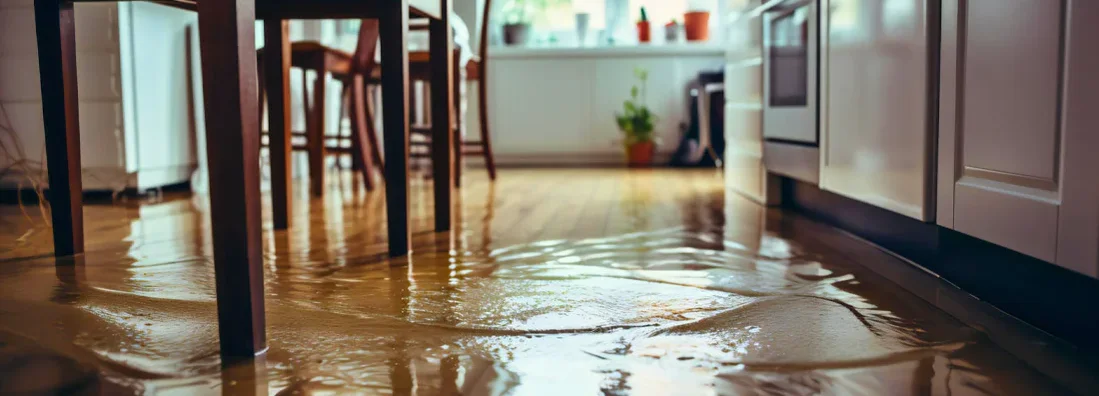
When buying flood insurance, it may be confusing to determine how much coverage you really need. If you were to lose everything in a flood, including your home and belongings, how much coverage would you need to rebuild and replace it all? In addition to the market value of your home, you also have to consider the cost of materials and labor. Additionally, it's critical to understand that some personal belongings may not be covered. If you have any special or valuable property like artwork, collectibles, antiques, or furs, you’ll likely need a special policy or endorsement for the replacement cost, as well as an appraisal to prove the value of these items.
The best way to determine how much flood insurance you really need is to work with a local independent insurance agent. Your agent can consider your personal property and needs and provide you with several options for coverage at an affordable rate. But until then, here's a guide to help you determine how much flood insurance you need.
How Do You Calculate Your Minimum Flood Insurance Requirements?
You're required to have a flood insurance policy in a couple of scenarios. These include residents who have federally backed mortgages such as FHA loans and those who live in high-risk flood zones. By law, all mortgage companies that are backed by either Fannie Mae or Freddie Mac must require flood insurance for any properties located in areas with at least a 1% chance of flooding and flood damage. Further, most private lending companies have similar flood insurance requirements for residents.
The National Flood Insurance Program (NFIP) offers flood insurance policies that help residents meet these requirements for coverage. However, this isn't your only option when it comes to obtaining flood insurance. You can also secure a policy from many private insurance companies today, but you'll need to make sure you purchase one with enough coverage to satisfy your specific mortgage lender's requirements. Your lender requires you to have coverage by law. But it's also a huge risk to the mortgage company if your home gets badly damaged or destroyed by a flood-related disaster and you abandon the property and refuse to continue making payments toward it. They'd be stuck with a property that's not generating any revenue. Therefore, homeowners are required to have enough flood insurance to cover the lower of these two criteria:
- The cost to rebuild your home if it gets destroyed in a flood, OR
- The maximum coverage amount available
Your flood insurance company calculates the cost it would take to rebuild your home if it gets destroyed in a flood, which is also referred to as "the cost of development of the property." Underwriters consider the materials used in your home's construction as well as the current cost of labor and necessary materials where you live. Due to factors like inflation and labor shortages, the replacement value of your home can change over time.
The maximum coverage available varies depending on whether you obtain your flood insurance from the NFIP or get private flood insurance. NFIP policies typically offer a maximum limit of $250,000 for your home's structure or dwelling and $100,000 for all of your personal property. However, flood insurance offered by private insurance companies usually has much higher coverage limit options.
It's recommended to get enough flood insurance to fully cover the value of all your personal property and the cost to rebuild your home. If you don't have a mortgage on your home, you might not be required to have flood insurance. However, having coverage can still be highly recommended, especially if there's a risk of flooding in your area. Without a policy, you could end up having to repair or replace your personal property or your home itself after a flooding disaster.
What Is the FEMA 80% Rule?
The replacement cost value (RCV) of your property refers to the total cost to rebuild it, without factoring in depreciation. The Federal Emergency Management Agency (FEMA) stipulates that in order for a flood loss to qualify for RCV coverage, three conditions need to be met:
- The property must be a single-family home.
- The property must be your principal residence where you live for at least 80% of the year.
- Your building coverage must be at least 80% of the property's full replacement cost or the maximum amount of coverage offered by the NFIP.
If flood damage to a property's dwelling doesn't meet all three of these criteria, it will be categorized as actual cash value (ACV) instead. If a flood loss is categorized as ACV, that means your flood insurance provider will only pay to repair or replace your damaged property after factoring in depreciation. This means the total reimbursement you can receive is lower.
Is Excess Flood Insurance Worth It?
You might want to consider getting excess flood insurance if you need more coverage. If you got flood insurance through the NFIP, you'd be capped at a maximum of $250,000 in building coverage and $100,000 in contents coverage. However, what if the actual rebuild value of your home was $450,000? That would leave a gap of $200,000 to rebuild your home if it got totally demolished by a flood disaster, which you'd have to pay for on your own. Many residents can't afford this, which creates the need for excess flood insurance.
Excess flood insurance can be worth it for multiple reasons, considering it often includes additional living expense coverage, which can cover the cost of hotel rooms, takeout meals, and additional gas mileage after a flood evacuation. If you live in a high-risk area and the rebuild value of your home exceeds the amount of coverage offered by an NFIP policy, you might want to strongly consider getting excess flood insurance.
How Are Flood Insurance Rates Determined?
Flood insurance premiums are calculated primarily by determining a property's risk of flood damage. All properties are categorized by designated flood zones on FEMA's flood insurance rate map. Owners of homes and other properties in flood zones considered to be high-risk areas pay much more for flood insurance than those located in other flood zones marked by a much lower risk.
If your home is located closer to the water, you're likely located in a high-risk flood zone. Similarly, if you live in a landlocked state and aren't near any bodies of water such as rivers, lakes, or streams, you're probably located in a low-risk flood zone and will pay much cheaper rates for flood insurance. Your designated flood zone has a huge impact on the cost of flood insurance, but it's not the only factor that influences it.
The construction of your property also impacts flood insurance rates. Also, any flood-mitigation practices can help decrease your flood insurance premiums. For example, if you're located in a high-risk flood zone but take measures to elevate your home on stilts, you'll likely be rewarded with much lower flood insurance rates than those living in properties at ground level. You can also install flood vents in your property to reduce the risk of flood damage and potentially lower your insurance premiums.

Flood Insurance Made Easy — Quote and Buy Online
Compare real-time quotes, choose the right coverage, and purchase your policy — all online in just minutes.
Can You Opt Out of or Reduce Your Flood Insurance Requirements?
There may be a few measures you can take to change your flood insurance coverage requirements. In certain cases, you may be able to remove your flood insurance requirements entirely. However, this isn't possible for everyone. Still, it can be helpful to consider the following options to see if you can achieve cheaper flood insurance premiums or eliminate your coverage requirements entirely.
Use a conventional mortgage instead
If you have a federally backed mortgage and live in a high-risk area for flooding, you'll be required to have flood insurance. However, not all private lenders require coverage, even for property owners located in high-risk flood zones. Understanding this, it can be beneficial to look for a conventional mortgage if you'd like to eliminate the requirement of having flood insurance. Keep in mind, however, that some private lenders still enforce flood insurance requirements in any high-risk zones.
Do your own research
Mortgage lenders and home sellers aren't required to inform you about flood insurance requirements before you buy or sign a contract. That means you'll need to do your own research beforehand to determine if a property is required to have flood insurance due to being located in a high-risk flood zone. Take some time to research the flood insurance requirements and average costs in that area when completing any property inspection, and make sure to do this step before you put any money down. Then, if you determine the home will require flood insurance, you can factor these costs into your overall budget.
Petition to change or remove your flood insurance requirements
It's possible to petition FEMA to remove or reduce your flood insurance requirements. Sometimes, properties are incorrectly listed in a designated flood zone when they should fall outside of it. If you believe FEMA has miscategorized your home and flood zone, petition the organization to revise its flood rate map. This may change your property's flood zone designation and eliminate or reduce the amount of flood insurance you're required to buy. However, keep in mind that FEMA's process often involves sending a surveyor to your property to conduct a thorough inspection, which can be quite pricey. Further, having FEMA complete a review of its flood rate map and your flood zone designation isn't guaranteed to lead to a reduction in your coverage requirements, so it may not be worth the trouble or cost.
Work with an independent insurance agent to compare rates
If you get NFIP flood insurance, the rates will be consistent for every insurer. However, private flood insurance companies all have different pricing and discount options for flood insurance. Working together with an independent insurance agent can be the easiest way to ensure you get only the minimum amount of flood insurance you need at the cheapest rate available. Your agent can shop and compare flood insurance policies from many different carriers that offer coverage in your area. They can also help you update your coverage over time as your needs change.
Just because you can potentially change your flood insurance requirements doesn't mean you should. If there's any risk of flooding to your home or office, you might want to strongly consider keeping the original required amount of coverage. If you reduce your flood insurance coverage limits, it's possible you'll have to pay more out of your own pocket to replace or repair your property after a flood disaster.
Frequently Asked Questions about Flood Insurance Requirements
The average cost of flood insurance is about $888 per year. Your policy's rates are determined by your specific flood zone designation, the construction of your property, and other factors.
Federally backed mortgage lenders are actually required by law to enforce flood insurance requirements for properties in high-risk flood zones. But all mortgage lenders may choose to require flood insurance to protect their investment in the property in case it gets destroyed by a flooding disaster and the owner stops making payments.
Taking measures to reduce your home's risk of flooding can lead to lower flood insurance rates. You can elevate your home on stilts or install flood vents. If you're able to move to a lower-risk flood zone, you'll also experience much cheaper flood insurance rates.
https://www.valuepenguin.com/flood-insurance/how-much-flood-insurance-do-you-need-requirements
https://www.policygenius.com/homeowners-insurance/how-much-flood-insurance-do-i-need/
https://www.bankrate.com/insurance/homeowners-insurance/cost-of-flood-insurance/