What to Do If Your Car Was Damaged by a Flood
After a flood, if your vehicle is damaged, there are a few steps you need to take right away, including filing car insurance claims.
 Written by
Christine Lacagnina has written thousands of insurance-based articles for TrustedChoice.com by authoring consumable, understandable content.
 Reviewed by
Cara Carlone is a licensed P&C agent with 20 years of experience. She has her P&C license in RI and TX and holds CPCU, API, and AINS designations.
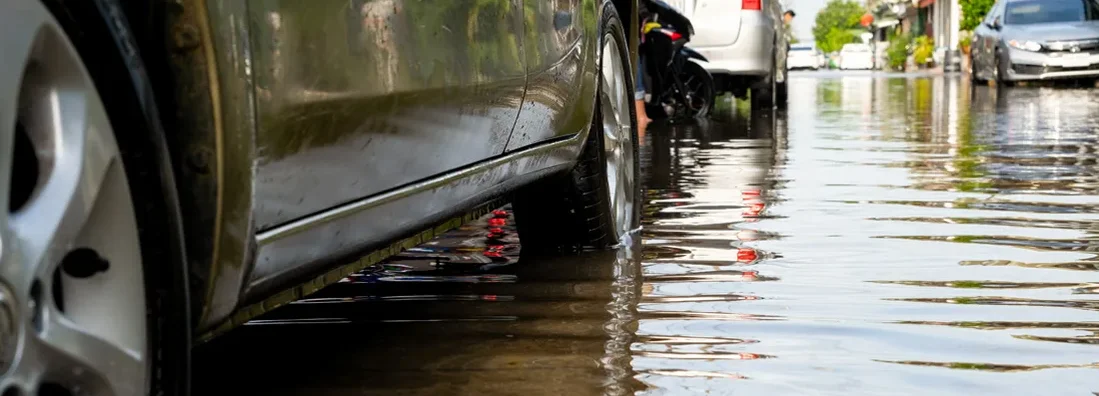
Floods can cause catastrophic damage to homes and other property, including vehicles. Whether your car was partially or fully immersed in floodwaters, it could have extensive damage. There are a few critical steps to take after a flood damages your car, including filing a car insurance claim ASAP.
Luckily, an independent insurance agent can help you get the right type of car insurance to protect against losses due to flood damage. They'll get you covered fast. But first, here's a guide to the steps you should take after a flood damages your vehicle.
Post-vehicle flooding checklist:
- Don't Start the Vehicle
- Be Aware of Safety Concerns
- Document Existing Damage and Prevent Further Damage
- Call Your Independent Insurance Agent and File an Insurance Claim
- Keep Copies and Records
What to Do After Your Car Gets Damaged by a Flood
There are a few key actions to complete after a flood damages your vehicle. Whether your car was fully submerged in floodwaters or only partially contaminated, the vehicle flood damage checklist is the same.
Keep the importance of speed at the forefront of your mind as you navigate this process. For example, it's critical to dry your vehicle ASAP to prevent further damage, such as mold and corrosion. You'll also want to contact your insurance company or independent insurance agent right away to initiate the claims process and avoid complications with getting reimbursement.
Follow these five critical steps if your car gets damaged by a flood.
Step 1: Don't start the vehicle
The first step is critical: do not start the car. If floodwater is trapped in the engine or electronics, attempting to start the vehicle could cause further damage, possibly rendering it beyond repair. Don’t even turn the key to open the vehicle's windows because that uses the electric system. Short circuits and worse damage can occur.
If the windows are down and the car is unprotected from rain, cover it with a tarp instead. It’s possible your car can be restored to its former condition, but let experts determine that before you potentially cause more damage.
A mechanic can conduct a professional flood assessment inspection of your vehicle, but if your car has been significantly damaged or is still submerged in water deep enough to at least cover most of the tires, using a tow service is advised.
Step 2: Be aware of safety concerns
For hybrid and electric vehicles, there's a risk of electrical shock if water has come into contact with the battery. This is another reason to avoid attempting to start your vehicle after flooding.
Also, be aware that contaminated floodwater can contain various hazards, such as sewage, chemicals, and pests. Before inspecting your vehicle, stay on alert for any dangers that may have been carried by floodwaters. Wear gloves when cleaning or inspecting your vehicle.
Your vehicle's manufacturer may have provided a list of guidelines or recommendations for post-flood inspection and salvage. Some car brands have specific policies regarding flood recovery, especially for OEM parts. Consult your owner's manual or contact your vehicle manufacturer for more information.
Step 3: Document existing damage and prevent further damage
Take photos and video evidence of any damage to your car. Make sure to get photos showing the waterline left by mud and debris to demonstrate how high the water rose. This can help ensure that you’re able to recover the full car insurance proceeds available to you and possibly support tax write-offs for any uninsured losses.
Keep in mind that salt water can cause more damage to your vehicle than fresh water, which means the chances of corrosion are greatly increased after many types of flooding. Begin drying your vehicle ASAP, using strong shop fans or leaf blowers.
If your vehicle is stuck somewhere after a storm, call a professional towing service to transport it somewhere safe. You may have coverage for this in your car insurance. Be aware that lubricant, transmission fluid, and oil might have to be drained before the vehicle can be towed.
Step 4: Call your independent insurance agent and file a car insurance claim
Call your independent insurance agent ASAP and report the incident to them. Send them any photo and video evidence of the damage. They'll be able to contact your car insurance company and file claims for you, as well as keep you updated through every step of the claims process. Your agent can even provide you with ETAs for when you should receive reimbursement if your claim is approved.
Before calling your agent, be prepared with your car insurance policy number, the incident report number from the police or fire department if one exists, the exact details of when and where the flooding occurred, your vehicle's registration information, and details of any lease or financing on the car.
You might want to ask your agent the following questions:
- What kind of coverage do I have for this incident?
- How long do I have to file my claim?
- How much will I owe if my policy doesn't cover the full amount?
- How much reimbursement can I expect?
- What kind of documentation do you need from me to initiate the claims process?
- Will this claim make my car insurance rates go up?
- Is this call being recorded?
- Will you send me copies of all my claim documents?
After speaking with your agent, a claims adjuster will be assigned to your claim to evaluate the damage to your vehicle, whether your claim is covered, and how much of a payout you're eligible to receive. Your adjuster will most likely need to see the vehicle, so leave it as is until they’ve had a chance to inspect it. You can remove personal items, however.
If you're unsatisfied with the total loss offer from your claims adjuster, you can negotiate a settlement with the following steps:
- Provide documentation of your vehicle's current value.
- Determine how much you're willing to accept from your insurance company for the loss.
- Write a formal letter to the insurance adjuster requesting them to justify their appraisal.
- Hire a professional public adjuster to conduct an independent appraisal of the vehicle.
- If you're unable to reach an agreement with your insurance adjuster, you can hire an attorney.
Keep in mind that if you hire an attorney, you'll need to pay them for their services. This extra amount could match or exceed any increased settlement your claims adjuster agrees to, making an attorney's services not worth it in the end.
Step 5: Keep copies and records
Record everything throughout this process. Keep copies of bids and estimates, repairs made, notes about discussions with the insurance company, and photos of damage and repairs in progress. If the adjuster determines the water reached the level of your dashboard, the insurance company may declare your car “totaled.”
They may also declare your car is totaled if it was sitting in floodwater for several days. If this ruling happens, the carrier may pay you the market value of the vehicle, minus your deductible, rather than attempting to repair it.
Keep in mind that what the insurance company offers you to settle your claim is only an offer. You can negotiate with them and don’t have to accept it. This is another good reason to work with an independent insurance agent, as they can help you decide if the insurance company’s offer is reasonable and how to respond if not.
What Kind of Car Insurance Covers Flood Damage?
To have coverage for flood damage to your vehicle, you'll need to ensure your car insurance policy includes comprehensive coverage. This coverage is typically optional but essential for getting reimbursement after many different types of disasters, including collisions with large animals like deer, fire damage, theft and vandalism, and, of course, flooding.
Car flood damage coverage
| Liability-Only Insurance | Comprehensive Insurance |
|---|---|
| Covers bodily injuries and property damage to others only. | Covers loss and damage to your vehicle caused by threats other than collision, including flooding. |
| Will not cover flood damage. | Will cover flood damage. |
If you purchased only your state's minimum required coverage, you may not have comprehensive insurance, meaning you wouldn't be able to get reimbursement for a flood damage claim. In this case, you'd have to pay for the cost of repairs out of your own pocket.
What If You Don't Have the Right Auto Insurance?
If you don't have car insurance or don't have comprehensive auto insurance, there are still a few cost-saving strategies you can follow to reduce your financial burden after flood damage, such as:
- Getting multiple repair quotes: Just like when shopping for insurance, you can shop around for quotes from multiple body shops before making any repairs to your vehicle to find the best deal.
- DIY vehicle cleaning: Many videos and helpful articles are available online today to assist you with cleaning your vehicle after flood damage, which could save you money.
- Salvaging non-damaged parts: Consult with a licensed mechanic to determine if any parts of your vehicle can be salvaged, even if the car has been deemed a total loss. You may be able to sell these parts to recoup some of your losses.
Fortunately, not having comprehensive car insurance doesn't mean you're completely without options financially after flood damage to your vehicle. However, working with an independent insurance agent to build a complete auto insurance policy that includes comprehensive coverage is still the best way to get all the reimbursement you deserve after a major loss, such as flooding.
Can I Rely on FEMA After My Car Takes Flood Damage?
You can't count on FEMA to provide help after your car suffers flood damage. FEMA doesn't guarantee assistance after all flooding disasters, and its help can be limited to only certain affected counties after a storm.
Further, after a flash flood incident, it's probable that you won't get approved if you apply for ONA assistance or an SBA loan. So, your best bet is to be equipped with the right kind of car insurance before a flood disaster occurs.

Save on Car Insurance
Our independent agents shop around to find you the best coverage.
An Independent Insurance Agent Can Help You Find Comprehensive Car Insurance
Local independent insurance agents can provide you with a large selection of car insurance policies to provide the security you need to deal with any calamity, including floods. Independent insurance agents simplify the process of shopping for and comparing auto insurance. They'll explain the complex terms for you, cut through the jargon, and make sure you understand the fine print.
But perhaps most importantly, they work for you, not one insurance company. They shop and compare policies from many different car insurance companies and select only the policy options that are right for you at the best possible price. They’ll also be there for you in the future if your needs change or questions arise. Independent insurance agents work hard to keep you satisfied.
FAQs About What to Do After Your Car Is Flooded
First, make sure not to start the vehicle. Get yourself safely out of the floodwaters and call your independent insurance agent to report the incident and initiate the claims process. Next, you'll want to begin drying your vehicle ASAP to prevent further damage.
Only comprehensive car insurance will cover damage to your vehicle caused by flooding.
Call your independent insurance agent, who can contact your car insurance company directly for you and start the claims process. Provide your agent with specific details about the incident, including photo and video documentation of the damage.
Especially in warm and humid climates, mold can begin to develop in a flooded car within 24 to 48 hours. This makes it critical to dry your vehicle immediately after a flood.
Several components of your car may need to be repaired or replaced after flood damage. The most common parts include the battery, brakes, fluids, including engine oils, the ECU, and the alternator.
https://www.statefarm.com/simple-insights/auto-and-vehicles/what-to-do-if-your-car-has-flood-damage
https://www.forbes.com/advisor/car-insurance/flooded-car/
https://www.autozone.com/diy/safety/what-to-do-with-a-flooded-vehicle#h-nbsp-faqs
https://www.thefloodlawfirm.com/blog/10-questions-to-ask-an-insurance-company-after-an-accident/
https://www.bankrate.com/insurance/car/negotiate-with-insurance-company-after-total-loss/#how-to-negotiate-a-car-s-value-after-an-accident