Tornado Insurance
Learn about tornado insurance coverage, cost, and companies.
 Written by
Ann Herro has been writing about insurance and employee benefits for over 15 years. She covers topics ranging from car insurance to healthcare costs.
 Reviewed by
Cara Carlone is a licensed P&C agent with 20 years of experience. She has her P&C license in RI and TX and holds CPCU, API, and AINS designations.
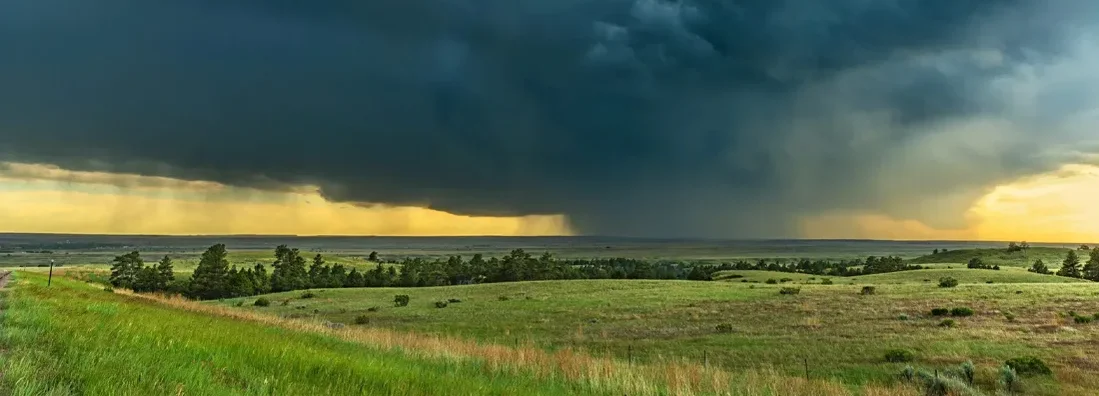
The U.S. experiences more tornadoes than any other country in the world. In 2023, there were 1,423 tornadoes in the U.S. While the majority of these tornadoes occur in the area known as Tornado Alley, they can, and do, happen all over the country.
Tornadoes are among the most expensive natural disasters. You can minimize your risk of financial burden in the aftermath of a tornado with tornado coverage that’s included in your homeowners insurance policy.
An independent insurance agent can help you find the best tornado insurance in your area.
Best Tornado Insurance Companies
Tornado coverage is typically part of your homeowners insurance policy. Not every insurance company operates in your state. How do you find the right insurer for your needs?
Here are a few recommended homeowners insurance companies that you may find in your area:
- Progressive: Progressive is based in Ohio, but offers home insurance across all 50 states. Progressive can also help with most of your personal insurance needs.
- Travelers: Travelers offers highly-rated home insurance. It can meet your additional personal insurance needs with a full line of products, including auto, boat, identity theft, umbrella, and other coverages.
- Nationwide: Nationwide provides homeowners insurance and other popular types of personal insurance coverage. The company is headquartered in Columbus, OH, and is represented by independent insurance agents in 50 states.
- Foremost Insurance Company: Foremost was founded in 1952 and offers a wide range of coverage, including homeowners insurance, in 50 states.
An independent insurance agent can help you find the right insurance company to protect your home from the costs of tornado damage.
What Does Tornado Insurance Cover?
Tornadoes can cause damage to roofs, windows, siding, and garage doors. They can also damage the contents of your home, including furniture, clothes, electronics, artwork, and more. Even homes outside the direct path of a tornado can sustain significant damage from a tornado’s wide-reaching high winds.
Tornadoes are generally covered under homeowners insurance policies and do not require a separate endorsement or rider.
Home insurance typically helps you repair or replace your dwelling, other structures, and personal property after a covered storm that damages your home. It can also help pay for additional living expenses if you’re temporarily displaced from your home while repairs are made.
Policyholders in some states may find that their policy includes a wind/hail deductible. These are special deductibles that are triggered if your home sustains tornado damage or when hail, wind-driven rain, or other similar storm damage occurs. Wind/hail deductibles are separate from your policy’s main deductible, and may be a flat dollar amount or a percentage (e.g., 2%) of your policy’s dwelling coverage limit.
Wind/hail deductibles are most common in places like Tornado Alley (Kansas, Nebraska, Iowa, Oklahoma, and northern Texas), as well as parts of the Great Plains and the Midwest.
When you purchase a homeowners insurance policy, be sure to ask your independent insurance agent if it includes a separate wind/hail deductible and how it works.
How Much Does Tornado Insurance Cost?
The average cost of home insurance in the U.S. is $1,411 per year, but what you can expect to pay is highly variable. Home insurance costs are based on things like the location, size, and value of your home as well as the crime and weather risks in your area.
If you live in an area that has a higher risk for tornadoes, you may pay more for coverage than a similar home located in a different state.
An independent insurance agent in your area can help you understand what factors are impacting your home insurance rates, and can even help you find discounts and other ways to save money on your premiums.

Save on Tornado Insurance
Our independent agents shop around to find you the best coverage.
How to Stay Safe During a Tornado
While securing your personal belongings and valuables is important, protecting yourself and your family should be your top priority when a tornado watch or warning is in effect. Your family should have a plan in place so that you can quickly find shelter, particularly if you live in a vulnerable structure such as a mobile home. You should also pre-designate a place to meet up after the storm if you are separated.
Basements and storm cellars are the safest places to wait out a tornado. If shelter below ground is not available, go to the lowest floor possible and seek protection in a bathroom, closet, or other interior room far from windows and as close to the center of the house as possible.
Conventional wisdom holds that opening windows helps by equalizing pressure in the house. This is no longer advised, however, as doing so allows damaging debris to enter your home.
If you see a tornado touch down while you are in your car, do not try to out-drive it, particularly if you are in an urban or congested area. Instead, exit your vehicle and, if possible, find a sturdy building or storm cellar to take shelter in. If none is available, lie down in a low, flat area, such as a ditch, and cover your head until the tornado passes.
How Can an Independent Insurance Agent Help You Find Tornado Insurance?
Independent insurance agents can help you find tornado insurance in your area. That means that a local agent can help you compare home insurance policies and costs from multiple insurance companies so you can find the best option for your needs and budget.
Find an independent insurance agent near you to get more information and start reviewing quotes for tornado insurance in your state.
https://www.iii.org/fact-statistic/facts-statistics-tornadoes-and-thunderstorms#U.S.%20Tornado%20Count,%202023
https://www.iii.org/fact-statistic/facts-statistics-homeowners-and-renters-insurance