How to Insure a Pole Barn
Pole barns have unique exposures, and as such, require coverage tailored specifically to them.
 Written by
Christine Lacagnina has written thousands of insurance-based articles for TrustedChoice.com by authoring consumable, understandable content.
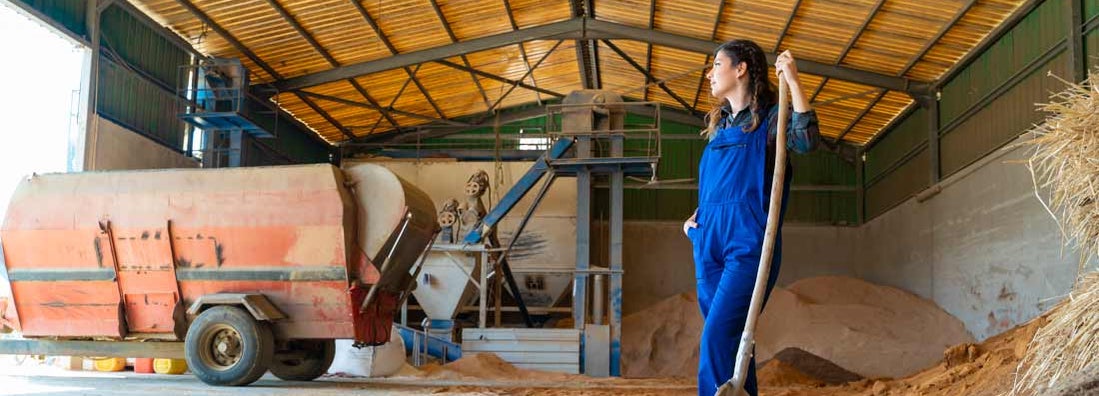
Pole barns are a necessary and useful type of structure found on many farms. They can be used to store farm equipment, house livestock, and more. Being certain you have the right insurance for your pole barns is key to keeping your farm running without facing possible major out-of-pocket expenses.
Fortunately, an independent insurance agent can help you get set up with all the insurance you need for your pole barn. They'll get you matched to a policy with ease. But first, here's an overview of how to insure your pole barns.
How to Insure Your Farm's Pole Barns
When you get coverage for your farm, you'll usually start with a general farm and ranch insurance policy. However, pole barn insurance policies are typically separate from your overall farm coverage, though they can be included, depending on your insurance carrier.
First, you'll need to have your independent insurance agent look at pricing and coverages for your barn's specifications. So whether you have a multi-story pole barn or a one-level structure, your coverage needs to apply adequately. Before you start shopping for coverage, have the following information ready:
- Your pole barn's specifications: You'll want to tell your independent insurance agent the square footage of your pole barn, the finishes used in the flooring, stables, etc., what materials make up your barn, when it was built, and what the barn is used for.
- The value of your pole barn: This refers to what it would cost to replace your pole barn with another of the same size, type, and quality, should a covered disaster like a fire destroy your existing structure.
- Safety measures you have in place: Let your agent know if you have security cameras or alarms monitoring your pole barn in case of theft or vandalism, a fire extinguishing system in case of fire, or any measures in place to keep predators, like wild animals, out.
Your independent insurance agent can help find the right policy for your specific pole barn based on the information you provide. They'll ensure that you get set up with just the right amount of coverage.
The Advantages of Pole Barns
There are a few advantages to having pole barns on your farm vs. other kinds of barns. Here are just a handful of major advantages of pole barns:
- Easier to build: Pole barns typically only take a few hours to construct due to their design.
- Better insulation: The nature of a pole barn's structure, with wide spaces between its posts, creates better insulation.
- Better foundation: Pole barns are supported by poles that are rooted deep below the ground, meaning they can be constructed without needing to make a separate foundation first.
- Money savers: Since pole barns require fewer materials to be constructed, choosing to build these structures over traditional barns can save you quite a bit of money.
Ultimately, you'll need to construct the type of structure that would benefit your unique farm the most. However, weighing the advantages of pole barns can sway many farmers towards them.
How Much Is Insurance for a Pole Barn?
It costs about $4,000, on the low end, to build a pole barn. However, larger pole barns can cost quite a bit more. The cost of insuring your pole barn, however, is dependent on the specifics of your pole barn. These include:
- What your barn is worth
- How much coverage you need
- The size of the barn
- The purpose of the barn (e.g., storage for livestock or vehicles, etc.)
- The materials used in the pole barn
- The construction and features of the pole barn (e.g., windows, doors, etc.)
Every farmer has different needs and as such comes different pricing. An independent insurance agent can shop and compare quotes for coverage for your pole barn to help find you the best deal available.

Save On Farm Insurance
Our independent agents shop around to find you the best coverage.
What Kind of Insurance Does a Pole Barn Need?
You might need a combination of a few different policies to insure your pole barn properly, or just one type of coverage might get the job done. It'll depend on the specifics of your pole barn and farm. The kinds of insurance that can work for pole barns include:
- Homeowners insurance: A standard home insurance policy includes coverage for additional structures on your property that amount to 10% of your home's value. You might be able to insure a small pole barn if you have a traditional home and aren't located on a farm.
- Farm insurance: If you build a pole barn on a farm, you'll need a standard farm insurance policy to cover it. Farm insurance covers structures on your farmland, including pole barns.
- Business or commercial insurance: If your pole barn is used for business purposes not related to your farm, such as for weddings or photography, you'll need a business insurance policy. Home insurance won't cover business use of your pole barn, and farm insurance only covers business use if it's related to the farm.
Your independent insurance agent can determine exactly which type of policy your pole barn needs as they learn about its specific construction and uses.
What Does Pole Barn Insurance Cover?
Understanding exactly what your pole barn's insurance covers is critical to knowing when you can file claims if disaster strikes. Pole barn insurance usually covers:
- Accidents: This can be coverage for fire damage, smoke damage, etc.
- Natural disasters: This includes things like volcanic eruptions and sinkholes.
- Weather events: This includes lightning, wind, hail, tornadoes, and more.
- Crimes and civil unrest: This covers incidents of theft and vandalism.
- Replacement of your pole barn: This provides replacement coverage if your pole barn gets destroyed. Depending on your policy, you may have "actual cash value" coverage, which factors in the pole barn's value minus depreciation, or you may have full replacement cost coverage, which pays to replace the structure up to its original value.
Be sure to work with your independent insurance agent to get the exact kind of coverage you want in your pole barn insurance policy. They can help find a policy with actual cash value coverage or full replacement cost coverage as you desire.
What's Not Covered by Pole Barn Insurance
Certain incidents aren't covered by pole barn insurance, no matter which policy overlays it. Some exclusions you can expect to find in your policy are:
- Natural wear and tear: Routine maintenance is considered the policyholder's responsibility, so insurance typically doesn't cover damage caused by normal wear and tear of structures.
- Intentional or malicious acts: Pole barn insurance won't cover intentional or malicious acts by the policyholder.
- Damage by floods and earthquakes: To get protection against natural flood damage or earthquake damage, you'll need separate flood insurance and earthquake insurance policies.
- Farm equipment and heavy machinery: Farm equipment and machinery are covered by a separate policy or under the main farm insurance policy.
Being aware of what's not covered by your pole barn insurance can help you avoid filing claims that are bound to be denied by your insurance company.
Pole Barn Liability Insurance
If you’re found to be legally responsible for causing bodily injury or property damage to third parties like visitors or customers or their property that's somehow related to your pole barn, you’ll have coverage under the general liability insurance portion of your policy.
Farm insurance, home insurance, and business insurance all include liability protection. If you face a lawsuit, this coverage can help pay for legal expenses like attorney and court costs.
The Benefits of Working with an Independent Insurance Agent
Independent insurance agents have access to multiple insurance companies, ultimately finding you the best coverage, accessibility, and competitive pricing while working for you. As your farm grows and your needs change, they'll be there to help you adjust your coverage to make sure you're properly protected without overpaying. Your agent can also help file claims directly through your carrier for you.
https://www.teamais.net/blog/can-you-insure-a-pole-barn/
https://www.chapolebarns.com/articles/which-type-of-insurance-is-right-for-your-pole-barn